简体中文
简体中文 English
 繁体中文
繁体中文 Deutsch
 Русский
Product
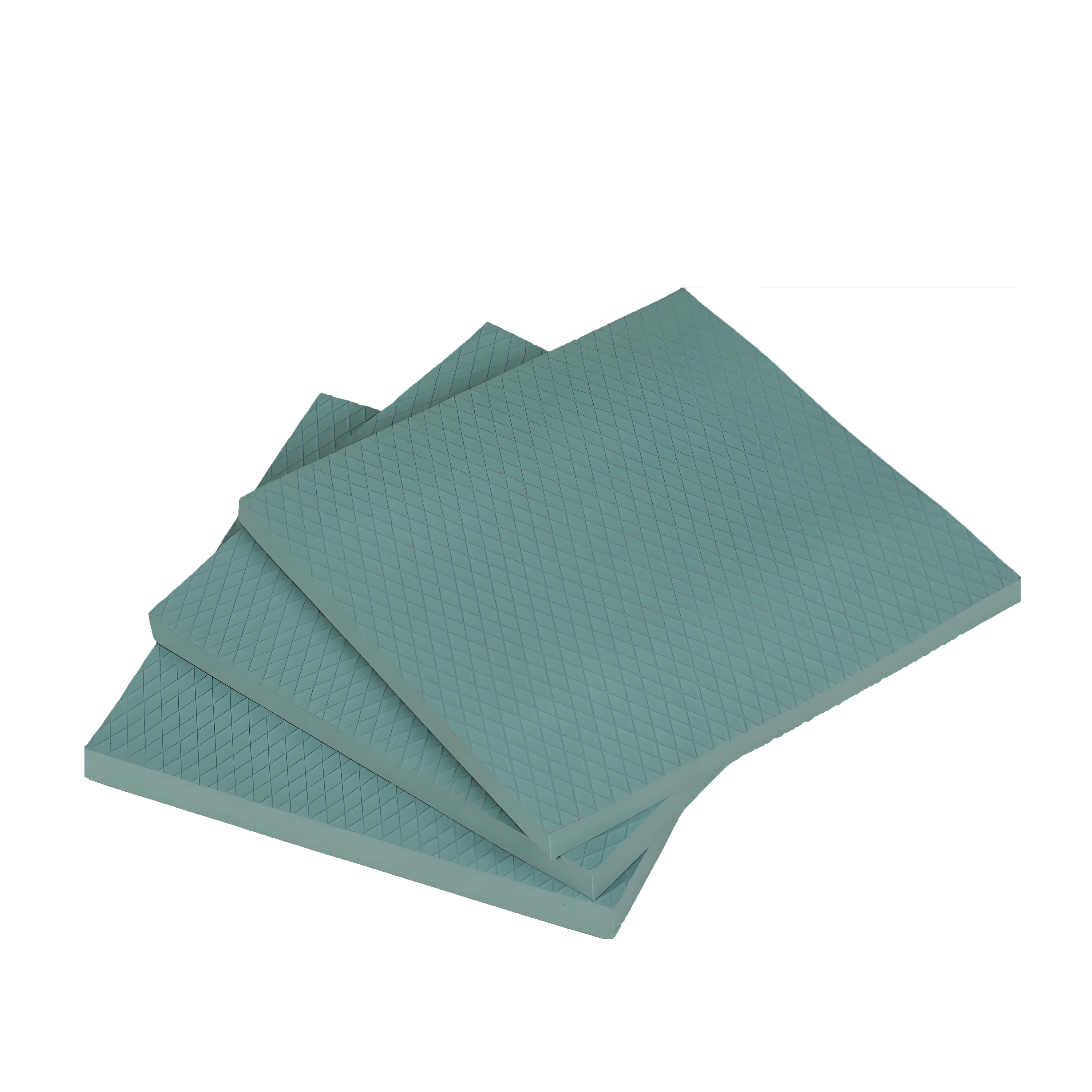
Meterys Rubber
- Product details
-
Low thermal conductivity:
Meterlis rubber has a low thermal conductivity, and at 0 ° C, As0.034W/mk, And its surface heat release coefficient is high. Due to the small and uniform pores, it is not easy to break and can maintain a low thermal conductivity for a long time. Under the same external conditions, to achieve the same insulation effect, Meterys rubber is used with a relatively thin thickness.
Good flame retardant performance:
Meterys rubber pipes and sheets have superior flame retardant properties and comply with GB8624-2012 "Classification of Burning Behavior of Building Materials and Products". The smoke concentration generated during the combustion of this product is low, and unlike other insulation materials, Meterys rubber does not melt when exposed to fire, nor does it drip into a fireball that ignites. It has self extinguishing characteristics.
Strong elasticity and seismic performance:
Meterys rubber has excellent elasticity, which can greatly reduce the vibration and resonance of chilled water and hot water pipelines during use.
Good moisture resistance:
Meterys rubber has a high closed cell rate, greatly reducing water absorption and steam permeability. Closed cell foam has good moisture-proof ability, so there is no need to add an additional moisture-proof layer in most applications.
High tear resistance
Tear strength is the phenomenon of failure caused by the rapid expansion of cracks and fissures in materials under stress. Meterys rubber is less susceptible to damage from external forces due to its fine pores, which greatly improves the product's tear resistance compared to ordinary rubber.
related products
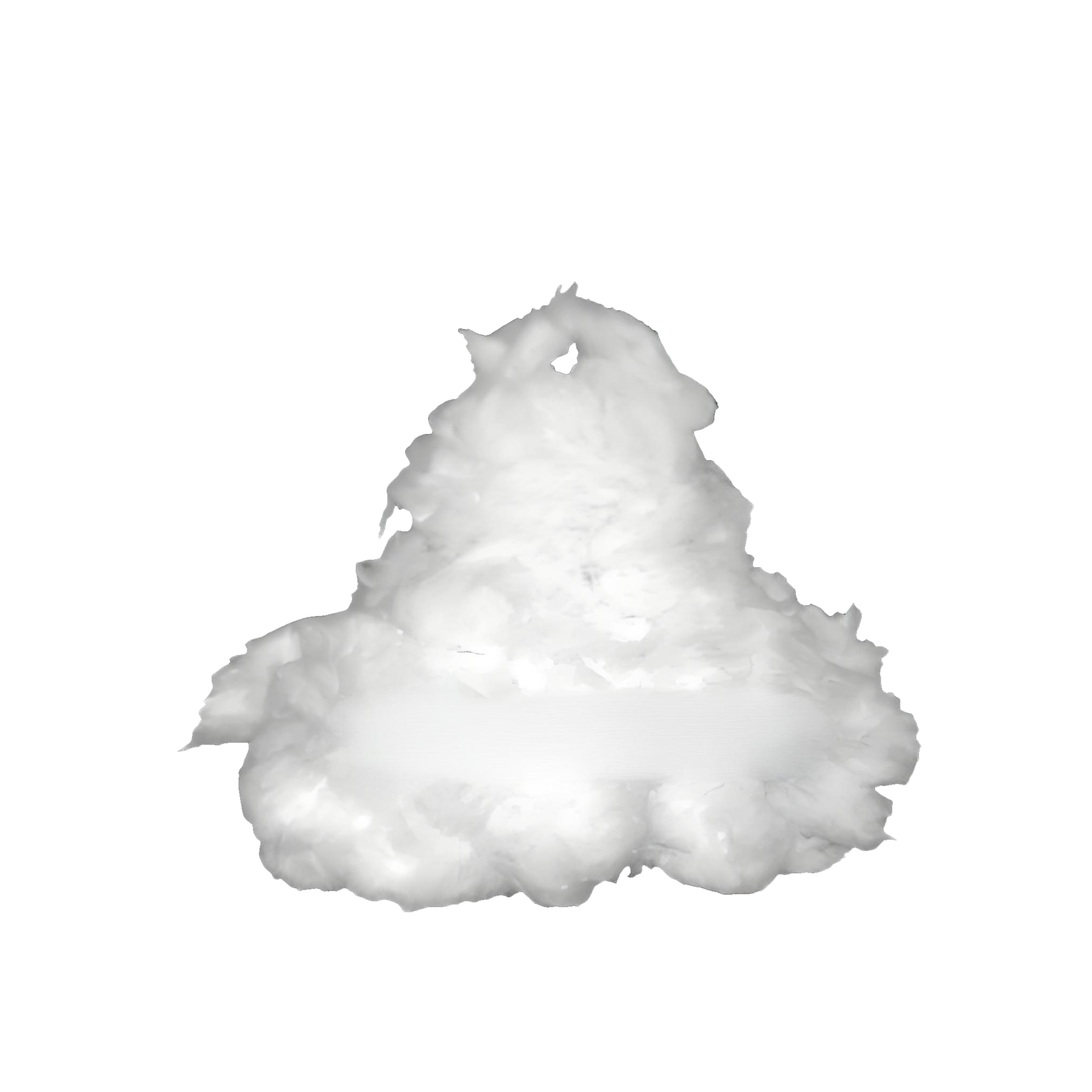
Aluminum silicate fiber textile cotton
Aluminum silicate fiber textile cotton i...
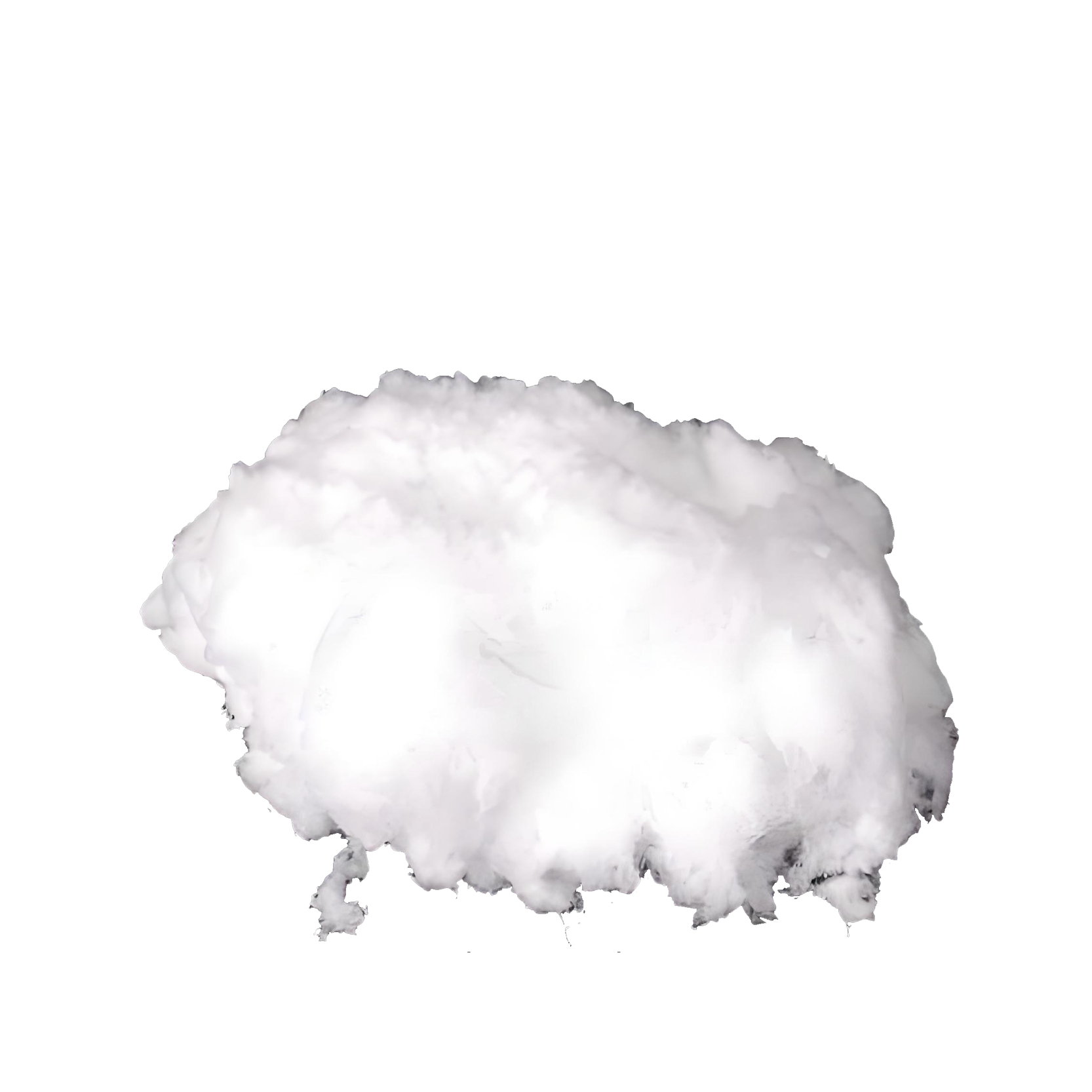
Aluminum silicate fiber standard cotton
Aluminum silicate fiber standard cotton ...
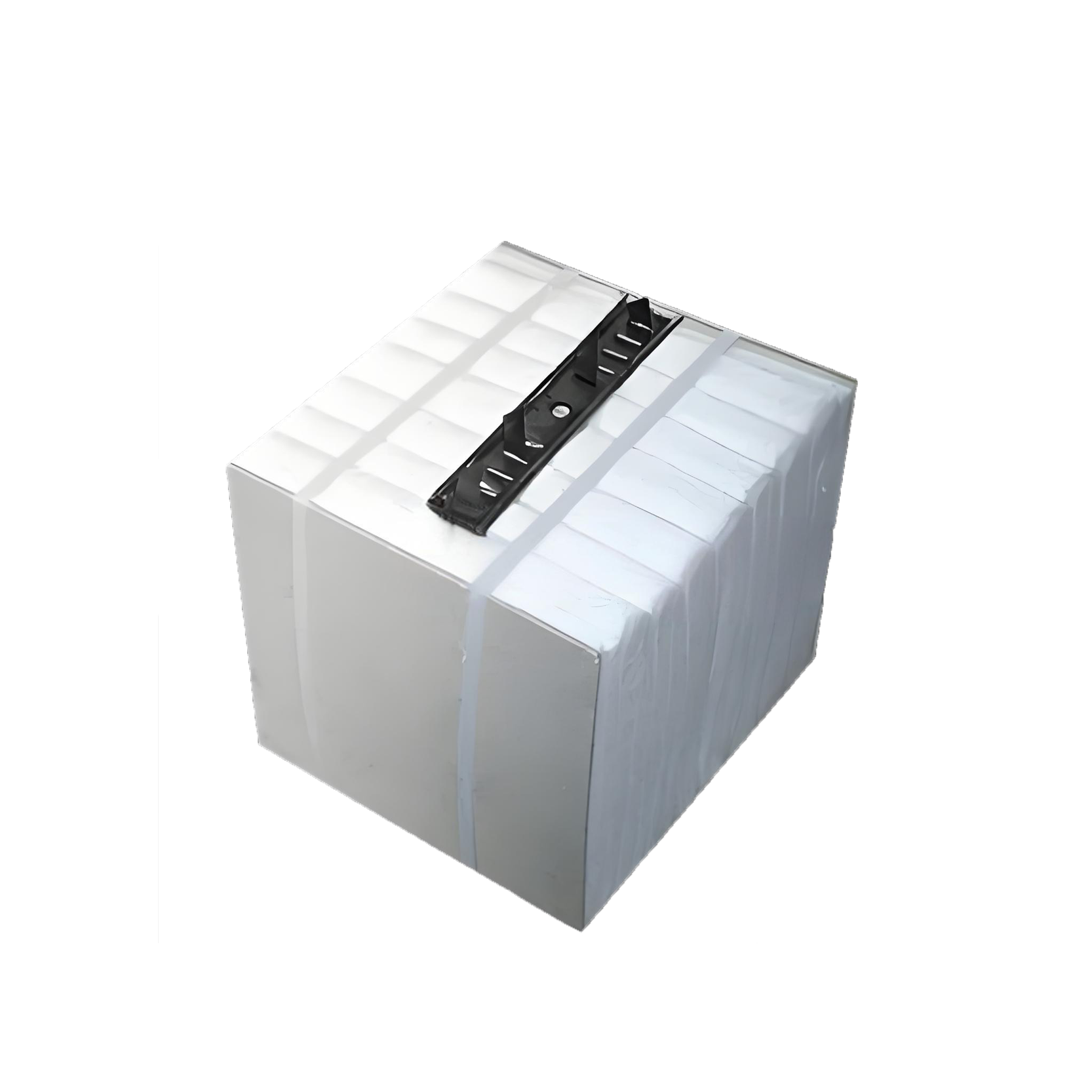
Aluminum silicate fiber standard module
It is a ceramic fiber needle punched bla...
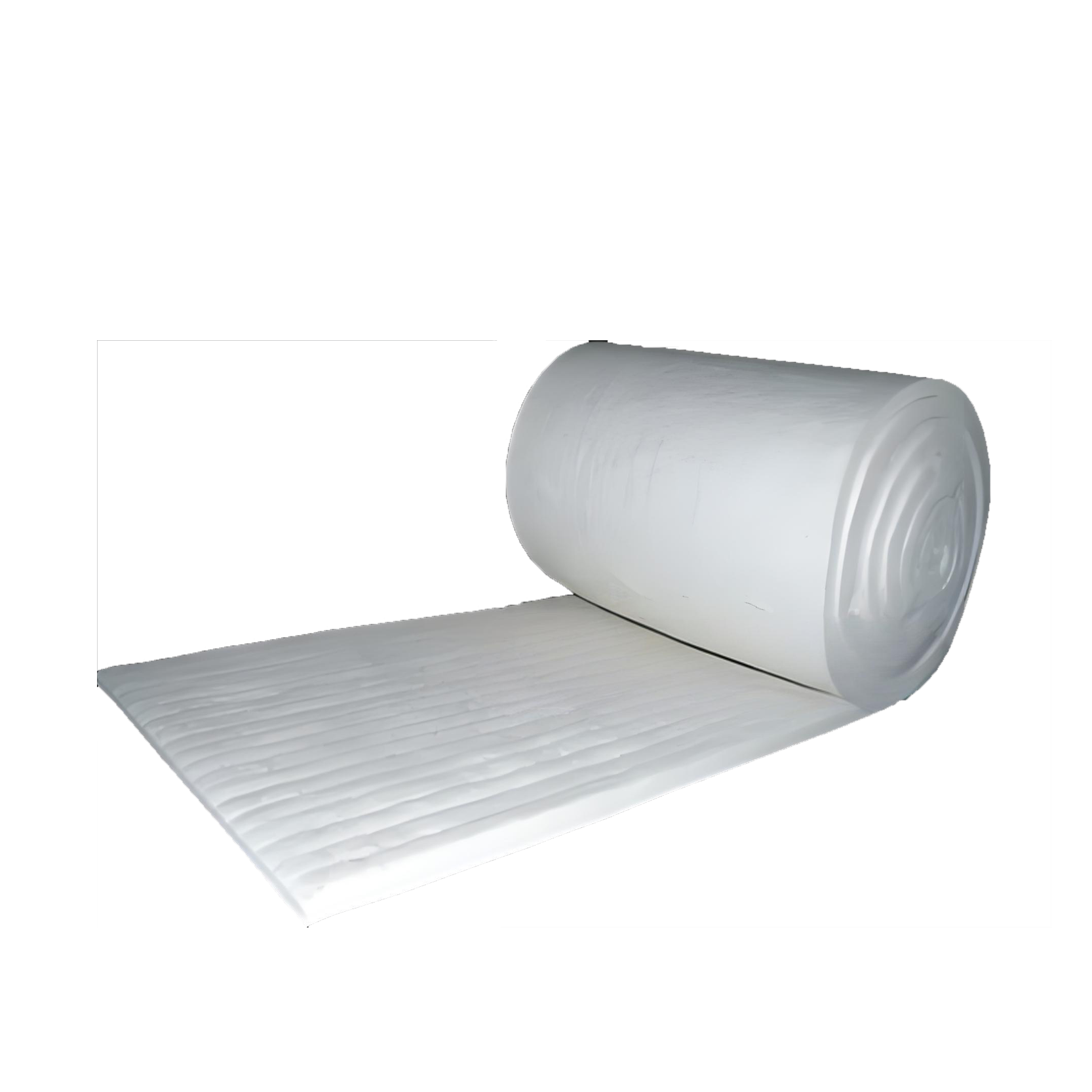
Aluminum silicate fiber standard blanket
It is a new type of refractory insulatio...
Product Inquiry
Please leave your message, we will contact you quickly after receiving it, thank you for your support!
common problem
Q
What are the main types of building insulation materials? What are the advantages and disadvantages of each?
A
Advantages: Good fire resistance (Class A non combustible), good breathability, and high stability.
Disadvantages: Slightly higher thermal conductivity than organic materials, higher water absorption rate, and easy generation of fiber dust during construction.
Organic insulation materials (such as EPS polystyrene board, XPS extruded board, PU polyurethane):
Advantages: low thermal conductivity, good insulation effect, light weight, and convenient construction.
Disadvantages: The fire rating is mostly B level (requiring the addition of flame retardants), it is prone to deformation at high temperatures, and its durability is slightly poor.
Composite insulation materials (such as integrated insulation board, vacuum insulation board):
Advantages: Excellent comprehensive performance, high construction efficiency, and some can achieve Class A fire protection.
Disadvantages: High cost and strict requirements for the flatness of the base layer.
Q
How to choose insulation materials suitable for the project?
A
Fire prevention requirements: Grade A materials are required for high-rise buildings (>100m); Low level B1 (flame retardant) is available.
Climate conditions: In extremely cold regions, materials with low thermal conductivity (such as PU, XPS) are preferred; Low water absorption is required in humid environment (such as XPS, foam glass).
Base type: Concrete walls often use boards; Complex shapes can be coated with polyurethane or insulated mortar.
Economy: EPS has the lowest cost; Vacuum insulation board is expensive but thin.
Policy and regulations: B2 level materials are prohibited in some areas, and local standards need to be consulted.