简体中文
简体中文 English
 繁体中文
繁体中文 Deutsch
 Русский
- Anwendungslösungen für Wärmekraftwerke mit Aluminiumsilikat
- Einsatzmöglichkeiten von Steinbaumwolle-Isolationsmaterialien für Außenwandsisolationssysteme
- Isolierungslösungen für Gummi-Kunststoffplatten/Rohre in Kühllagerkühlleitungen
- Polyurethan-Isolierrohre für kommunale Warmwasserversorgungssysteme
- Steinbaumwollplatten für den Verkehr
Polyurethan-Isolierrohre für kommunale Warmwasserversorgungssysteme
Polyurethan-Isolierrohre für kommunale Warmwasserversorgungssysteme
1. Projektüberblick
1.1 Hintergrund des Projekts
Mit der zunehmenden Nachfrage nach zentraler Wärme in den Städten kann der Bau eines kommunalen Heißwasserversorgungsnetzes mit vorgefertigten direkten und isolierten Rohren aus Polyurethan die Wärmeverluste effektiv reduzieren, die Auswirkungen des Baus auf den städtischen Verkehr reduzieren und die Lebensdauer des Rohrnetzes verlängern. Dieses Programm gilt für kommunale Warmwasserprojekte wie Zentralheizung in Städten, Heizung in Wohngebieten und Warmwasserversorgung.
1.2 Entwurfsgrundlage
Spezifikation für die Konstruktion des städtischen Heizungsnetzes CJJ34-2010
- "Technische Regeln für Warmwasserleitungen für Stadtverheizung" CJJ/T81-2013
- "Hochdichte Polyethylen Außenschutzrohr Polyurethanschaumstoff vorgefertigte direkte Isolierung" CJ / T 114
- "Hochdichte Polyethylen Außenschutz Polyurethanschaumstoff vorgefertigte direkte Isolierung" CJ / T 155
T/CASMES 417-2024 - Konstruktionsspezifikation von Polyurethane-vorgefertigten direkten und isolierten Heizungsleitungen für kommunale Konstruktionen
1.3 Anwendungsbereich
- Warmwasser Medium Temperatur: ≤120 ℃ (kurzfristige Spitze bis zu 150 ℃)
- Rohrleitungsdruck: ≤2.5MPa
Nominaler Durchmesserbereich: DN50-DN1200
2. Auswahl der Rohre
2.1 Konstruktion der Rohrleitung
Polyurethan-vorgefertigtes direktes Isolierrohr verwendet eine "Trinity"-Kompositstruktur:
Strukturschicht Material Technische Anforderungen
Arbeitsstahlrohre Nahtlose Stahlrohre/Spiralschweißrohre (GB/T8163) Wählen Sie die entsprechende Wanddicke nach Mediendruck
Isolationsschicht Harter Polyurethanschaum Dichte ≥60kg/m³, Schließlöcherrate ≥90%
Äußeres Schutzrohr HDPE Dichte ≥940kg/m³, Brechdehnung ≥350%
2.2 Technische Leistungsindikatoren
Projektleistungsanforderungen
Wärmeleitfähigkeit ≤0,024 W/(m·K) (23±2°C)
Druckfestigkeit ≥200 kPa
Wasserabsorption ≤3%
Schließrate ≥90%
Temperaturbereich -90 ℃ ~ +120 ℃ (Spitze 150 ℃)
Lebensdauer 30-50 Jahre
2.3 Leckage-Alarmsystem
In der Isolationsschicht eine Leckage-Alarmleitung eingebettet, die Leckage des Rohrnetzes in Echtzeit durch ein Prüfgerät überwacht, den Fehlerpunkt genau identifiziert und den sicheren Betrieb des Rohrnetzes gewährleistet.
3. Netzwerkdesign
3.1 Konstruktionsparameter
Parameterwerte
Entworfene Versorgungs-/Rückwassertemperatur 110 ℃ / 50 ℃
Konstruktionsdruck 1,6 MPa
Rohrauhe 0,5 mm
Isolationsdicke nach Rohrdurchmesser und Medientemperatur bestimmt (normalerweise 30-50mm)
Mindesttiefe ≥1,2 m (unter Fahrsteig)
3.2 Methode der Rohrleitung
Direkt begraben (Hauptmethode):
- Wasserversorgungsleitung: mit kompensierter direkter Kaltinstallation, teilweise ohne kompensierte direkte Begrabung
- Rückführung: Kalte Installation ohne Kompensation
Vertiefung von Röhren (Sonderabschnitt):
- Geeignet für Flüsse und unterirdische Gebiete mit hoher Hindernisdichte
- Außenschutzschicht kann mit verzinkten Platten, Aluminiumplatten und anderen Metallmaterialien ausgewählt werden
- Verwendebar mit schwerbrennbarem Polyurethane der Klasse B1
3.3 Konfiguration der Rohre
Rohrtyp Material/Anforderungen
Kurven Vorgefertigte Isolationskurven aus dem gleichen Material wie die Hauptleitung
Dreifach Vorgefertigte Isolierung Dreifach, axiale Schneidspannung ≥0.08MPa
Kompensator Schlauchkompensator oder Wellenrohrkompensator je nach Berechnung
Fixierter Pfeiler Stahlbetonstruktur, bestimmt nach der Konstruktionskraft
IV. Bauprogramm
4.1 Bauprozess
Grabung → Bodenbau → Rohrleitungsschweißen → Schnittstellendizolation → Rohrleitungsuntergräben → Wasserdruckprüfung → Rückfüllung → Straßenbewertung
4.2 Wichtige Bauanforderungen
1. Graben und Unterlagen
- Breite der Trennboden: Rohrdurchmesser + 600mm (jeweils 300mm Betriebsraum auf beiden Seiten)
- Rohrboden 10-15cm feiner Sand, Dichtheit ≥90%
- Die weiche Grundlage muss gestärkt werden
2. Rohrleitungsschweißen
- Schweißen von Stahlrohren sollte GB50236 entsprechen
- 100% Ultraschallprüfung der Schweißnähte
- Nach der Korrosionsbehandlung der Schweißöffnung kann eine Isolationsschicht gebaut werden
3. Schnittstellensizolation
- Bauumgebungstemperatur 10-40 ° C, Feuchtigkeit < 80%
- Schaumstoffmaschine vor Ort zu gießen, vor dem offiziellen Gießen zu testen, um die Prozessparameter zu bestimmen
- Schaumstoffdichte, Schließrate sollte mit dem Rohr übereinstimmen
- Nach der Reifung können nachfolgende Verfahren durchgeführt werden
4. Wasserdruckprüfung
Prüfdruck = Arbeitsdruck × 1,5
- Druckhaltung 30 Minuten ohne Leckage als Qualifiziert
5. Rückfüllung
- Schichtenfüllung mit feinem Sand, Dicke ≤30cm pro Schicht
Dichtheit ≥90%
- Rückfüllung auf die Designhöhe, Wiederherstellung der Straße
V. Qualitätskontrolle
5.1 Materialprüfung
- Isolierrohre und Rohrteile benötigen eine Fabrikzertifizierung und einen Prüfbericht
- Außenrohre ohne Risse, Blasen und Verunreinigungen
- Schaumstoff-Isolationsschicht ohne Löcher, Schichtdefekte
5.2 Prozessprüfung
- Jeder Prozess muss überprüft werden
- Schnittstellensizolation zur Probenaufnahme (Dichte, Wärmeleitfähigkeit)
- Kompletter Schweißnaht-Erkennungsbericht
5.3 Akzeptanzkriterien
Industriegeräte und Rohrleitungen Isolierung Konstruktion und Akzeptanz Spezifikationen GBJ126-89
T/CASMES 417-2024 - Konstruktionsspezifikation von Polyurethane-vorgefertigten direkten und isolierten Heizungsleitungen für kommunale Konstruktionen
6. Betrieb und Wartung
6.1 Betriebsüberwachung
- Inbound-Einstellung von Druckmessern und Thermometern
- Echtzeit-Überwachung von Lecklarmsystemen
- Regelmäßige Patrouillenprüfung von Straßenausfällen (Sinken, Wasserauslauf)
6.2 Wartungsmaßnahmen
Prüfen Sie den Projektzyklus
Überprüfung des Zustands von Brunnenventilen und Kompensatoren Monatlich
Tests von Lecklarmsystemen Quartalsweise
Wasserdruckprüfung des Rohrnetzes Vor der jährlichen Heizungssaison
Rohrkorosionsprüfung alle 3-5 Jahre
6.3 Notfallbehandlung
- Erstellung eines Notfallplans für Rohrleitungsnetze
- Reparaturausrüstung und -material
- Rechtzeitige Reparatur nach der Positionierung des Leckage-Alarmsystems
7. Projektreferenzen
Basierend auf der praktischen Projekterfahrung ist ein Beispiel für die Umbaumenge eines typischen lokalen Heizungsnetzes wie folgt:
Rohrdurchmesser Länge (m)
DN250 70
DN200 ca. 3000
DN150 etwa 1400
DN125 ca. 2900
DN100 ca. 4500
DN80 ca. 2300
DN65 ca. 1800
> Die tatsächliche Baumenge wird auf der Grundlage der Konstruktionszeichnungen berechnet.
8. Programmvorteile
1. Energieeinsparung und Effizienz: Wärmeleitfähigkeit ≤ 0,024W / (m · K), Wärmeverlust ist nur 25% der herkömmlichen Rohre
2. Wasserdichte Korrosionsschutz: Schließlöcherrate ≥90%, wirksam vor Grundwassererosion
3. Einfache Konstruktion: Direkte Verlegung reduziert das Ausgraben der Straße, die Rohrleitung kann in der Fabrik vorgefertigt werden
4. Sicherheit und Zuverlässigkeit: Lecklarmsystem + 30-50 Jahre Lebensdauer
5. Gesamtkosten: Kurze Bauzyklen, geringe Wartungskosten und erhebliche wirtschaftliche Vorteile auf lange Sicht
Verwandte Produkte
Aluminiumsilikat Textilbaumwolle
Aluminiumsilikat-Faser-Textilbaumwolle w...
Aluminiumsilikat Standard Baumwolle
Standardbaumwolle mit Aluminiumsilikat-F...
Standardmodul für Aluminiumsilikat
Es ist mit dem entsprechenden Material K...
Standarddecke aus Aluminiumsilikat
Es ist ein neuer Typ von feuerbeständige...
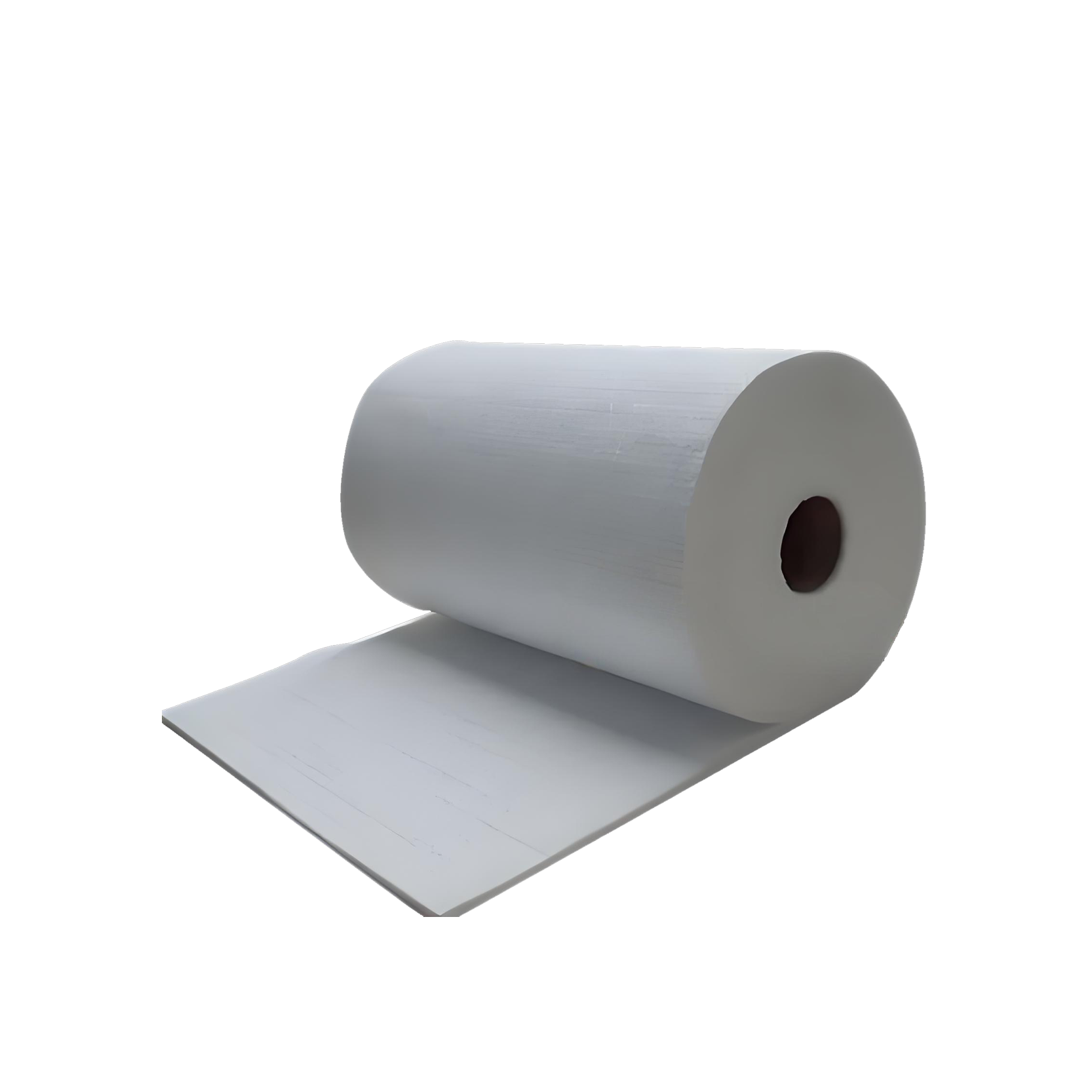
Aluminiumsilikat Faser Feuerwehr Rolle Decke
Aluminiumsilikat-Faser Feuerwehr-Rollend...
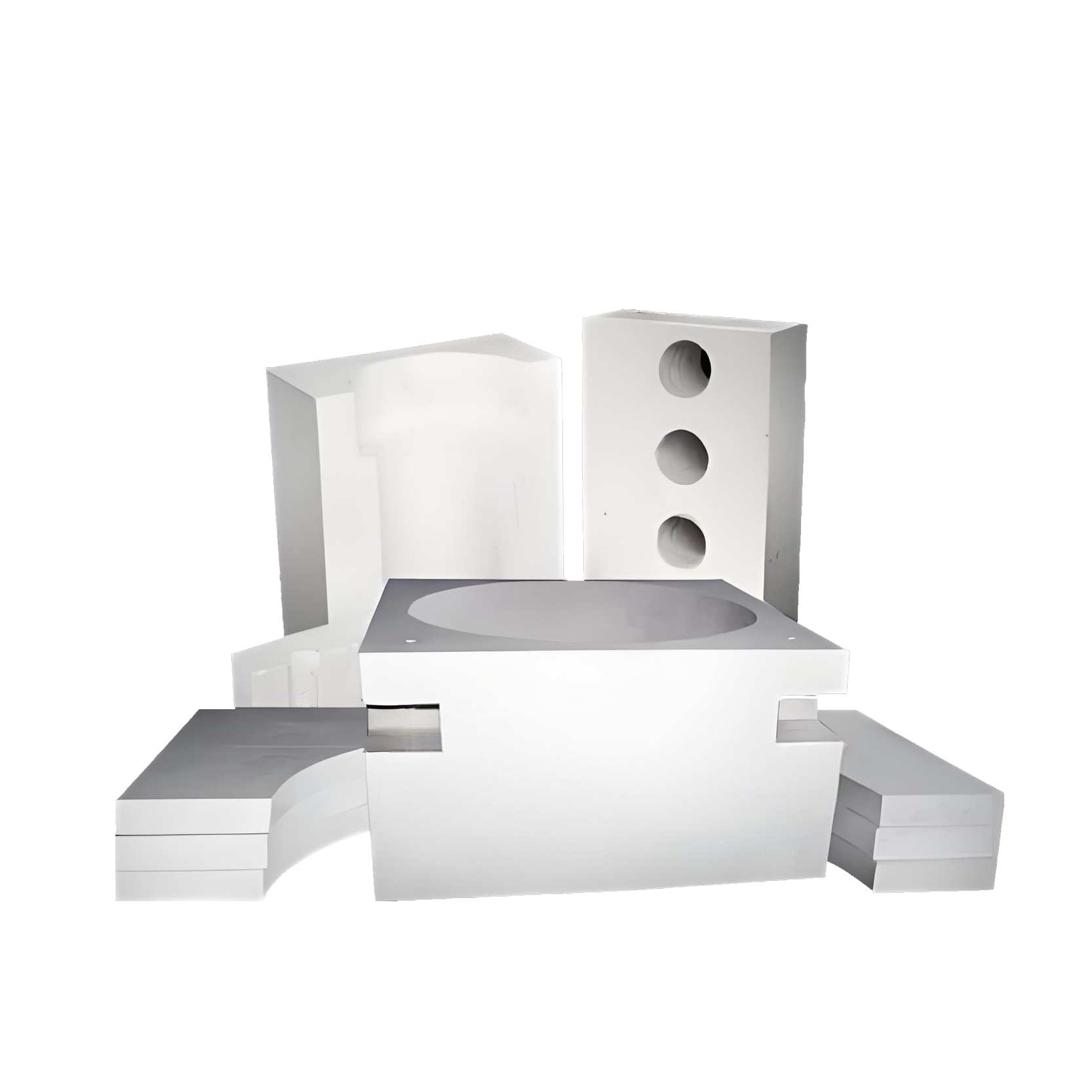
Aluminiumsilikat-Faserformteile
Mit hochwertiger Aluminiumsilikat-Baumwo...
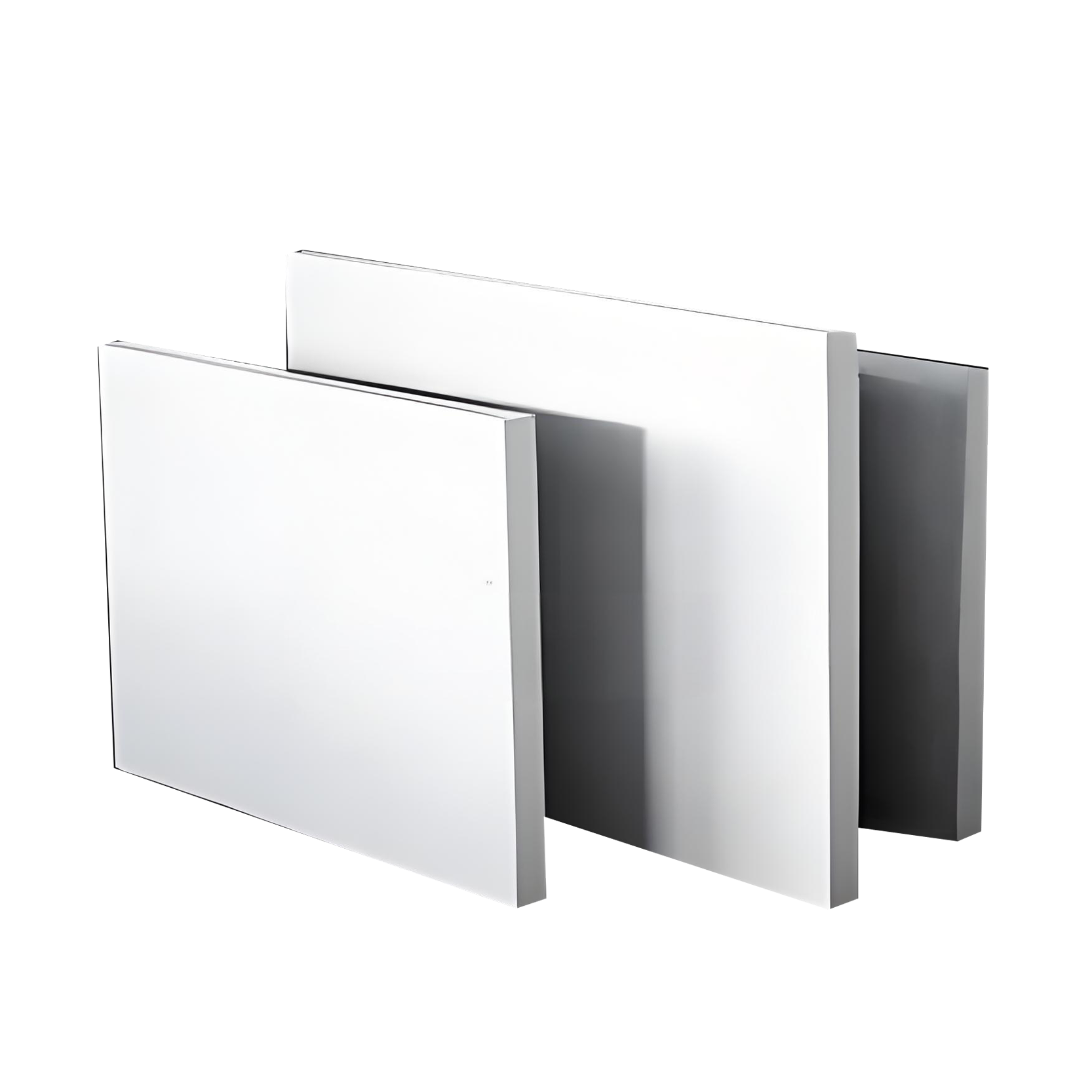
Aluminiumsilikat-Faser-Formplatte ist mi...
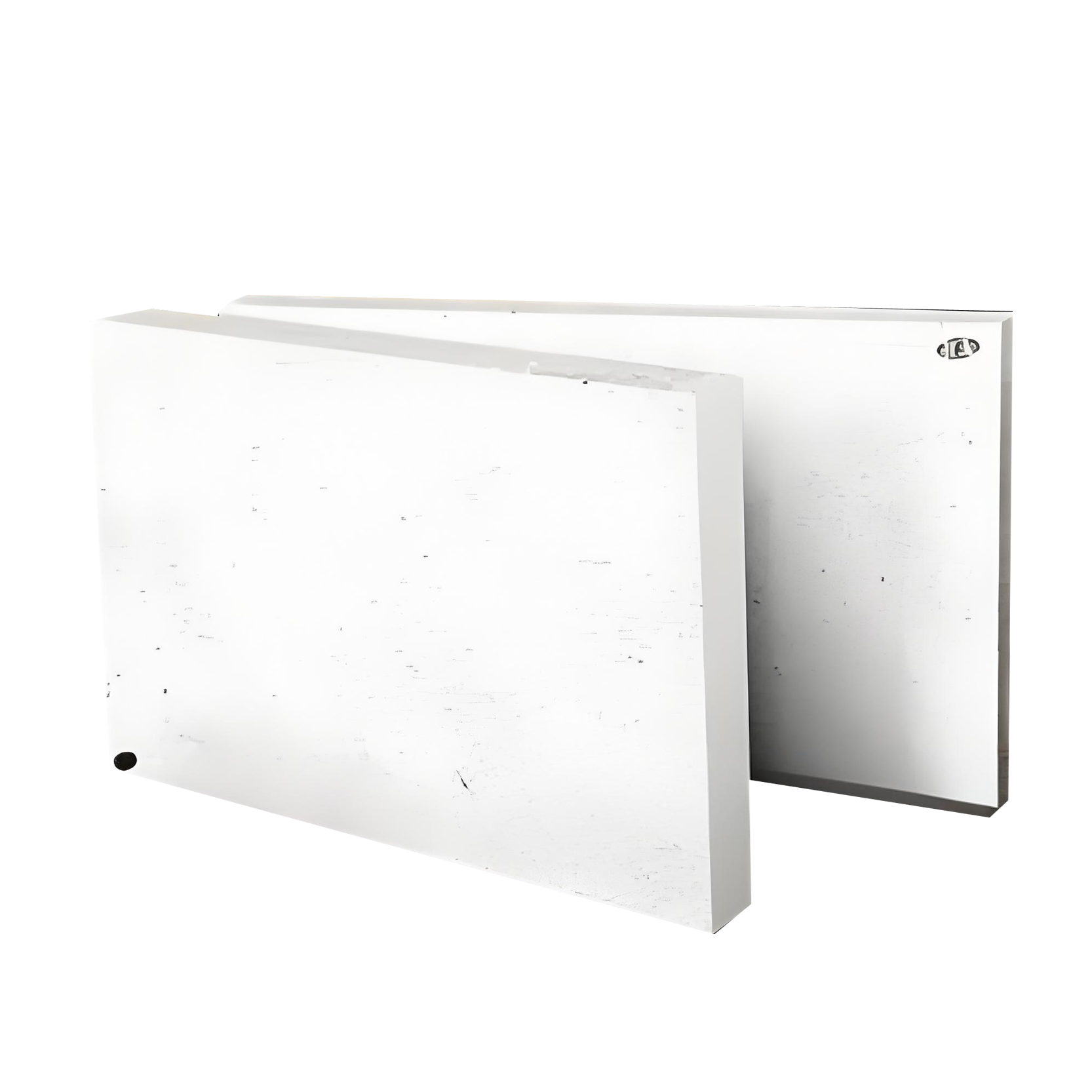
Aluminiumsilikat-Ofenbodenplatten
Aluminiumsilikat-Faser-Ofenbodenplatte a...